Wabi-Sabi Aesthetics in Modern Minimalist Ryokans
How tactile plaster, hinoki timber, and shadow interplay define contemporary Japanese luxury retreats across Kansai.
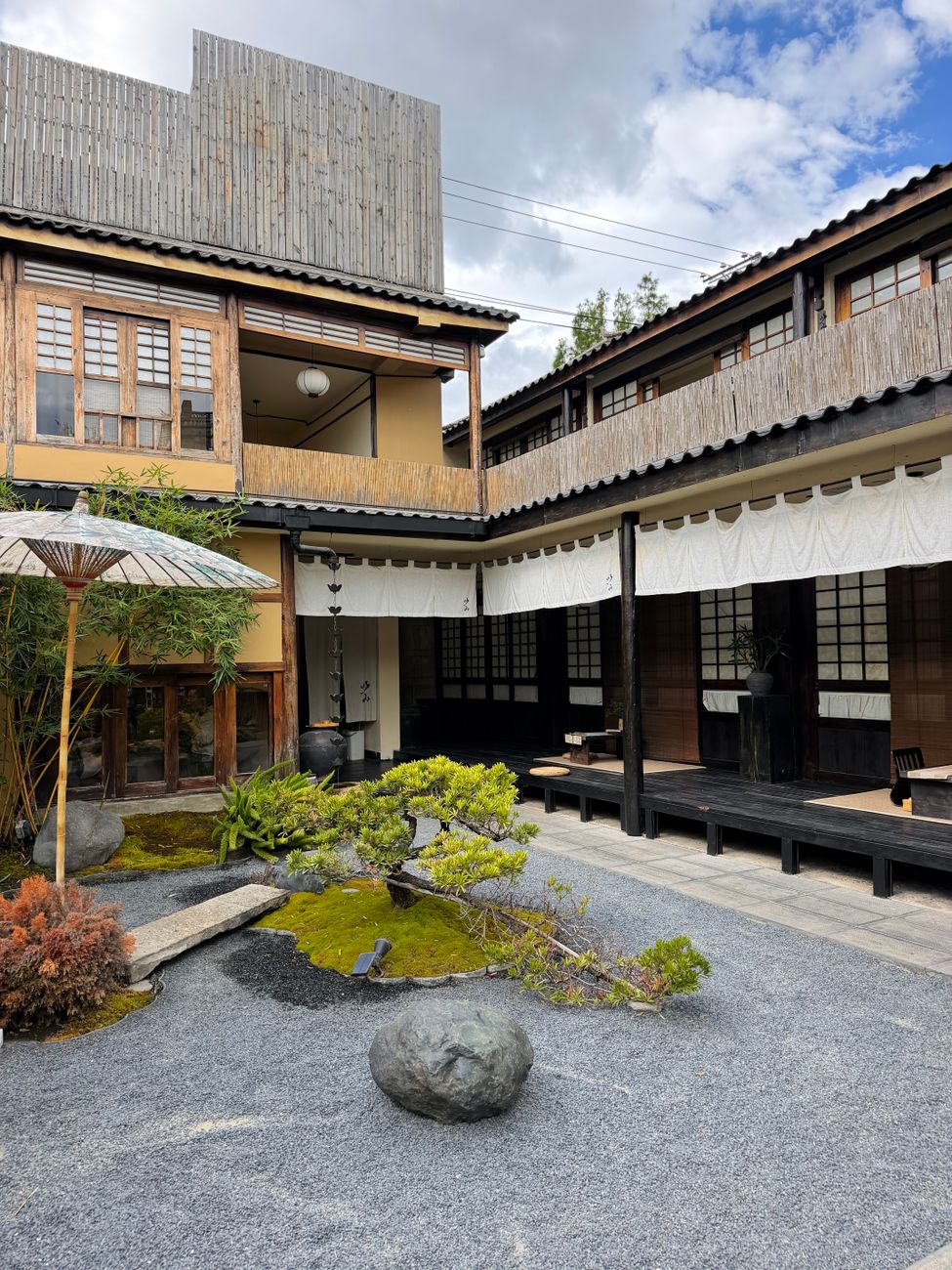
"True architectural peace is achieved not when nothing more can be added, but when no extraneous line or artificial sheen remains to distract from the movement of light."
1. The Dialogue of Unadorned Surfaces
In the outer districts of Kyoto and along the forested hills of Shiga, traditional ryokans are experiencing an architectural renaissance. Master carpenters (miyadaiku) collaborate with modernist architects to construct environments stripped of unnecessary ornament.
Instead of decorative excess, these sanctuaries honor wabi-sabi: the reverence for transience, natural imperfection, and patina. Unlacquered hinoki wood tubs darken gently over years of mineral bath use; earthen walls show subtle textures of mixed straw.
2. Shadow as a Structural Element
Following Jun'ichirō Tanizaki's seminal observations in In Praise of Shadows, these spaces celebrate gentle gradations of darkness. Sliding shoji screens made of mulberry paper filter blazing noon sunlight into a luminous, calming glow.
The guest's senses naturally decelerate. Footsteps muffle across fragrant rush tatami mats, and garden courtyards function as living landscape paintings framed by raw cedar posts.
3. Planning an Immersive Stay
When seeking lodging of this caliber, prioritize properties housing fewer than ten private pavilions. This ensures absolute quiet in shared onsen baths and guarantees customized kaiseki service presented in-room by dedicated nakai-san.

Julian Thorne
Architecture & Design Editor