The Nordic Pantry: Foraging & Wild Ferments in Småland
How culinary visionaries in rural southern Sweden craft immersive multi-course stories strictly sourced within ancient pine canopies.
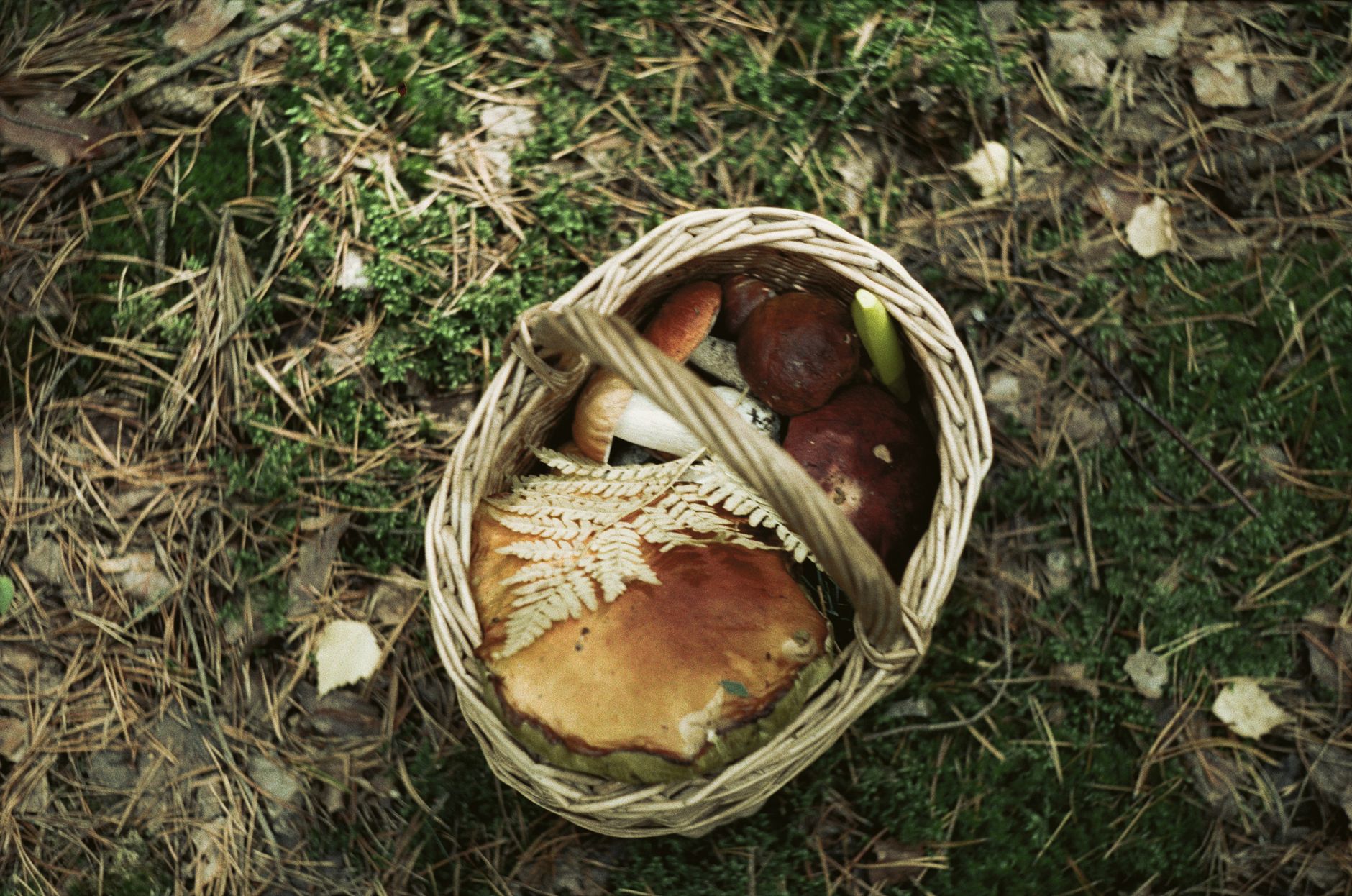
"To cook directly from the forest floor is not a trend here; it is an instinctual surrender to the seasons. When winter lifts, the earth reveals its sweetest pine tips and bitter birch resins."
1. The Forest as an Open Cellar
Stepping into the mist-shrouded woodlands of Småland at dawn, silence is broken only by damp needles compressing beneath boots. For centuries, Scandinavian farmsteads practiced preservation not as an artistic novelty, but as survival. Today, a new vanguard of independent chefs transforms this frugality into pure luxury.
Instead of relying on imported citrus or delicate greens transported across oceans, kitchens rely on wild sorrel, fermented lingonberry vinegars, and spruce needle oils infused in copper kettles. Every ingredient carries geological authenticity.
2. Fermentation and Ancient Patience
In the timber cellar behind the guesthouse, ceramic crocks rest quietly in calibrated subterranean chill. Wild lacto-fermented chanterelles from late autumn impart an earthy umami to broth that mirrors the surrounding mossy boulders. The meal becomes an edible geography.
- Birch Sap Reductions: Harvested during forty-eight critical hours of early spring thaw.
- Juniper Smoke Curing: Cold-smoking locally fished lake char over dried juniper branches.
- Sub-Zero Root Storage: Preserving heirloom parsnips through deep winter straw trenches.
3. Practical Travel Briefing
Visiting these secluded retreats requires advance coordination. Most host no more than a dozen guests per evening to maintain quietude and prevent over-foraging within the private biosphere. The closest rail link terminates at Alvesta, followed by private hybrid transfer through pine reserves.

Elena Voss
Senior Gastronomy Correspondent