The Art of Packing for Remote Sub-Polar Expeditions
Essential materials, technical layering systems, and analog journaling equipment that withstand severe alpine environments.

"Packing for extreme latitudes is an exercise in rigorous subtraction. Every gram must perform multiple thermal duties, resisting moisture while honoring tactile craftsmanship."
1. Thermal Principles: The Modular System
Whether navigating the Beagle Channel or trekking Greenland's jagged coastal fiords, weather shifts within minutes. Cotton has no place here; survival and comfort rely entirely on high-grade merino wool bases and breathable membrane shells.
We recommend a three-layer doctrine: lightweight 200gsm merino next to the skin, lofted down or heavy fleece mid-layer, and a seam-sealed windproof exterior. This maintains thermal equilibrium whether stationary on an observation deck or hiking scree slopes.
2. Analog Documentation in Extreme Cold
Lithium-ion batteries deplete rapidly under sub-zero conditions. For recording impressions and geographical waypoints, experienced expeditioners rely on mechanical or analog alternatives:
- Waxed Canvas Field Notebooks: Waterproof paper impervious to sleet and sea spray.
- Pressurized Ink Instruments: Ballpoints operating reliably from -30°C to high altitudes.
- Mechanical Optical Rangefinders: Uncompromised manual glass optics without electronic failure risk.
3. Luggage Selection
Rigid polycarbonate luggage cracks under arctic handling. Opt instead for heavy-duty welded TPU duffels featuring submersible zippers and ergonomic stowable shoulder straps.
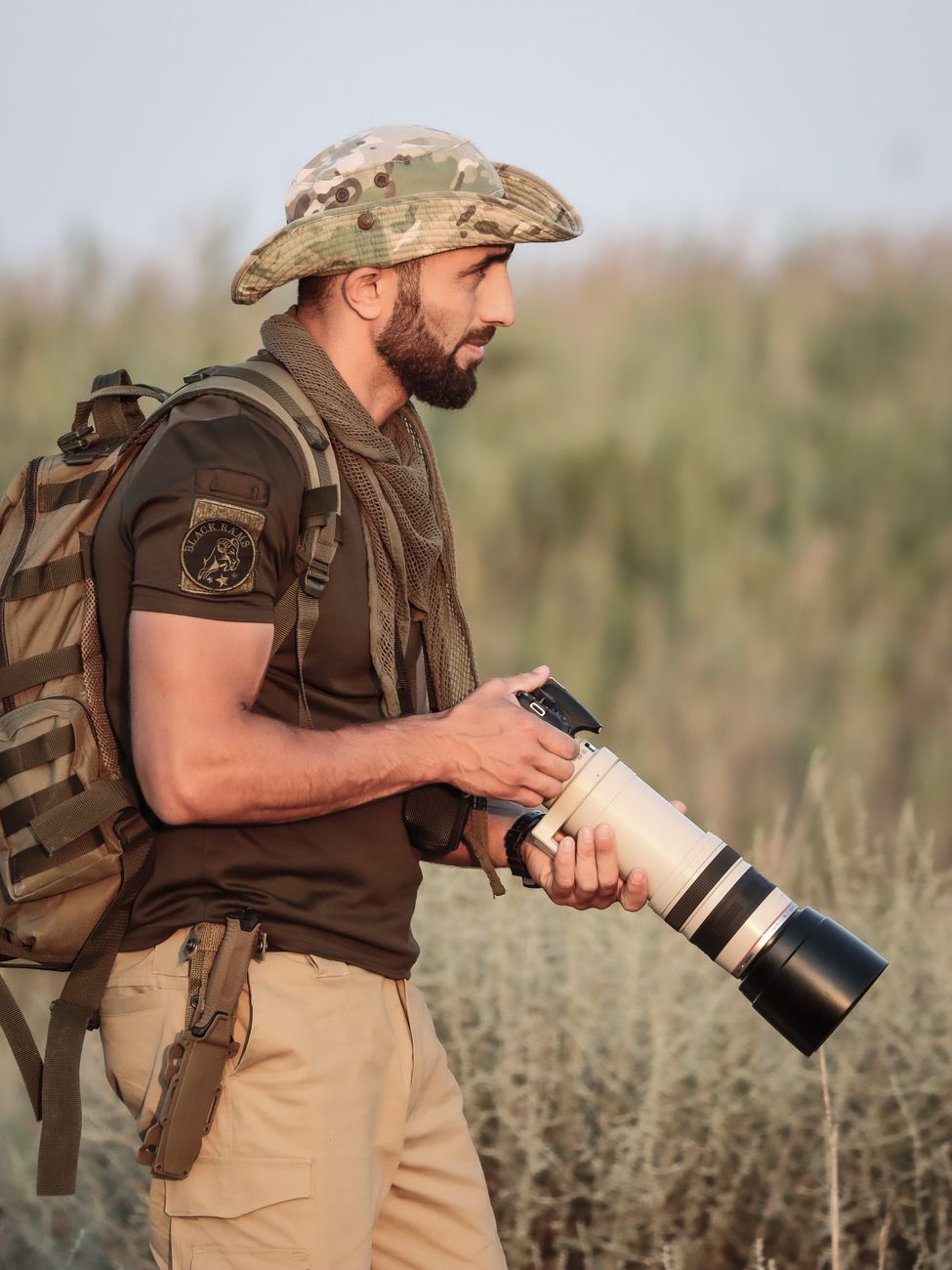
Marcus Sterling
Field Expeditions Lead